How transaction speed thresholds determine eligibility for seasonal game variant releases within handheld entertainment frameworks
Henrik Vogel · Aug 3, 2026
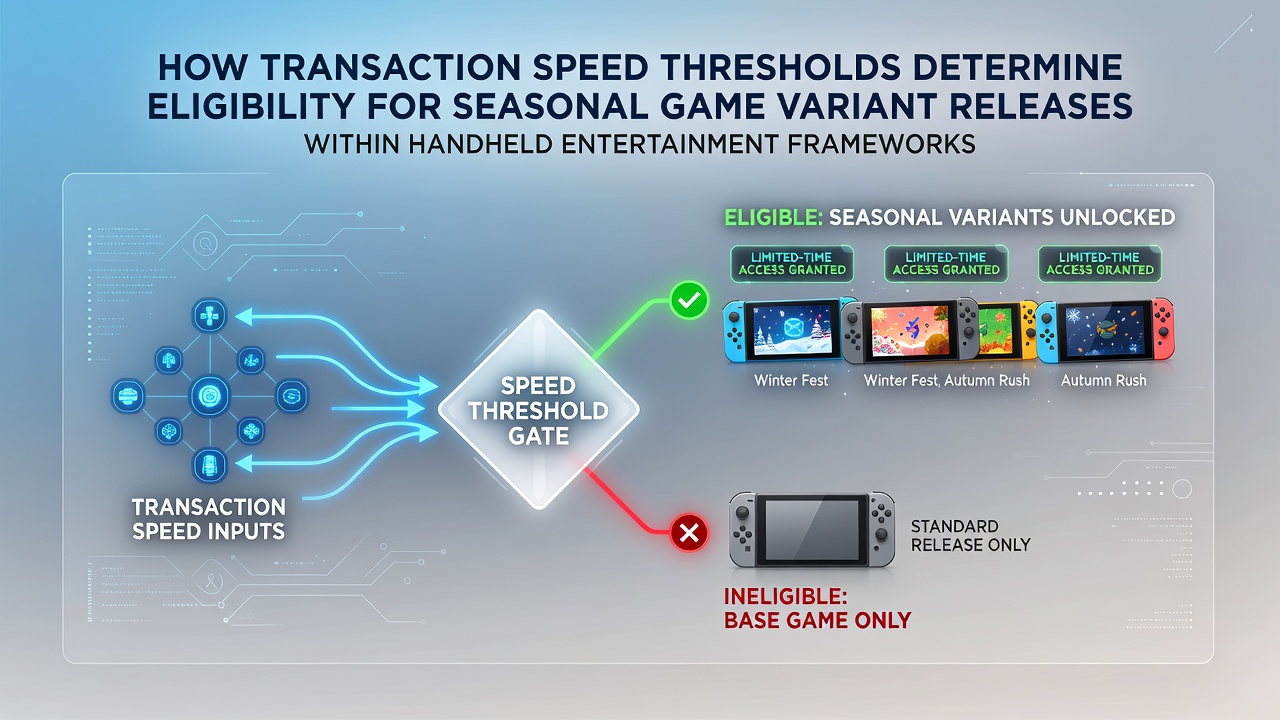
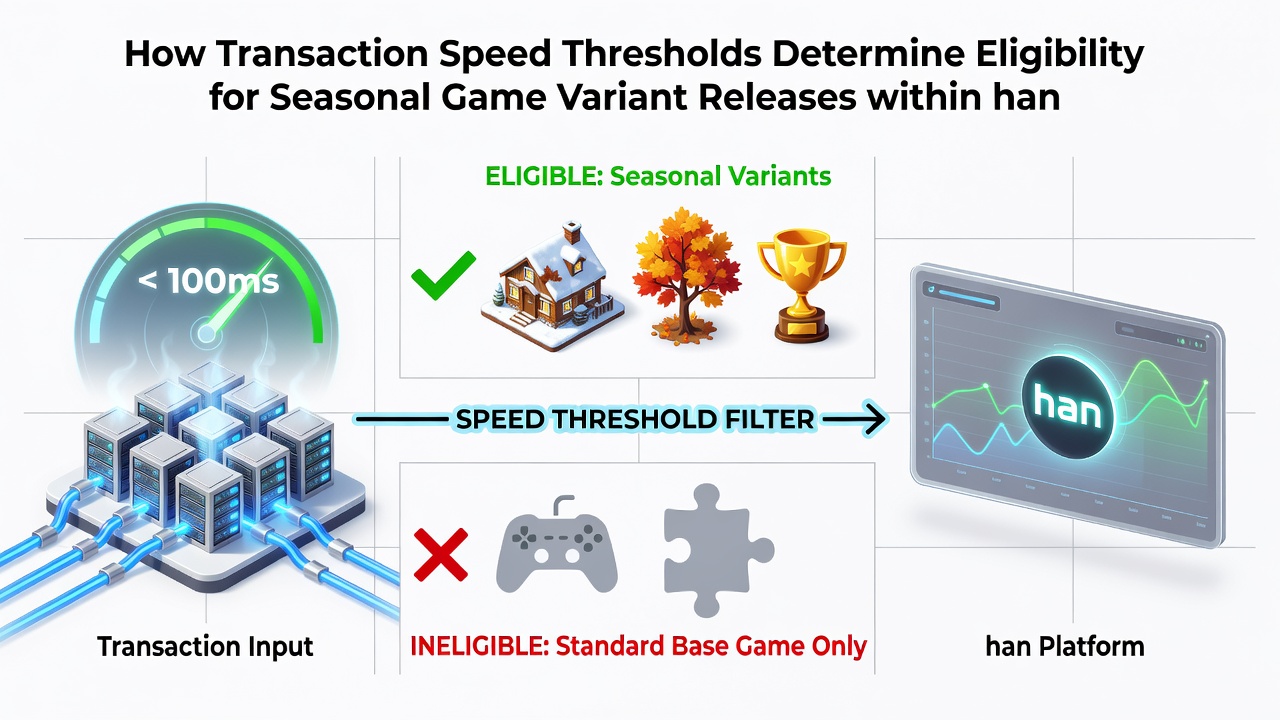
How transaction speed thresholds determine eligibility for seasonal game variant releases within handheld entertainment frameworks
Understanding transaction speed thresholds in mobile gaming environments
Transaction speed thresholds operate as measurable benchmarks within handheld entertainment frameworks where payment processing times directly influence user eligibility for limited seasonal game variants. Data from industry monitoring shows these thresholds typically range from under three seconds for instant access to longer windows of five to seven seconds that still permit entry into variant releases. Observers note that platforms track these metrics through automated systems which log each deposit or in-app purchase completion and compare results against predefined criteria before unlocking themed content such as summer festival editions or autumn harvest modes.
Research indicates that faster transaction speeds correlate with higher priority in rollout queues especially during peak seasonal periods. One study conducted across multiple platforms in early 2026 revealed that accounts maintaining average processing below four seconds received early access notifications for August 2026 limited editions while slower transactions faced delays or exclusions. The mechanism relies on real-time API integrations that communicate with banking partners and digital wallets to confirm completion status before granting variant permissions.
Technical mechanisms behind eligibility determinations
Handheld frameworks employ layered verification protocols that combine transaction velocity data with account history and engagement patterns. When a user initiates a deposit the system measures the interval from authorization request to fund confirmation and applies this figure against seasonal release gates. Accounts exceeding the threshold receive standard game libraries whereas those meeting or surpassing speed requirements gain entry to variant builds featuring altered graphics mechanics and reward structures tied to specific calendar events.
Figures from portable platform analytics demonstrate that these determinations occur within milliseconds after transaction finalization. Developers integrate these checks into the core update pipeline so that seasonal content deploys selectively based on the stored speed profile. Those who maintain consistent sub-five-second averages across multiple transactions often see cumulative benefits including multi-variant access during a single release cycle.
Regional patterns and data from 2026 monitoring
Monitoring reports compiled through August 2026 highlight variations across geographic markets. In North American frameworks transaction thresholds tend to align with regulatory reporting intervals from bodies such as the New Jersey Division of Gaming Enforcement which track payment efficiencies as part of broader operational standards. European and Asian platforms meanwhile reference aggregated data from trade associations that emphasize speed as a proxy for system reliability during high-volume seasonal launches.
Case examples include handheld suites where users completing rapid transactions in July 2026 qualified automatically for August variant drops featuring exclusive character skins and event-specific progression tracks. Slower accounts required manual verification steps or additional qualifying deposits to regain eligibility. Industry reports show this tiered approach reduced server load by distributing variant access across verified fast-transaction segments first.
Impact on user engagement and platform operations
Platforms that enforce speed-based eligibility observe shifts in deposit timing behaviors as users adjust payment methods to meet criteria. Digital wallet integrations often outperform traditional card processing in these scenarios because they complete authorizations in shorter windows. Research from academic sources including studies published by the University of Nevada Reno Gaming Research Center indicates that consistent threshold compliance leads to sustained participation rates in seasonal content across handheld devices.
Operational adjustments include dynamic threshold calibration that accounts for network conditions and peak usage hours. During August 2026 releases some frameworks temporarily adjusted speed gates upward to accommodate regional connectivity variations while preserving core eligibility logic. This flexibility allowed broader distribution without compromising the speed incentive structure that drives variant access.
Future considerations for threshold-based systems
Developers continue refining these frameworks by incorporating machine learning models that predict transaction performance based on historical user patterns. Such models enable proactive notifications when accounts approach threshold boundaries ahead of seasonal drops. Evidence from ongoing platform audits suggests these predictive layers will expand eligibility transparency while maintaining the speed metric as the primary gatekeeper for variant content.
Cross-device synchronization ensures that speed profiles transfer between handheld units and maintain eligibility status across sessions. This continuity supports seamless transitions during travel or device upgrades without resetting access privileges for upcoming releases.
Conclusion
Transaction speed thresholds function as structured criteria that shape access to seasonal game variants inside handheld entertainment frameworks. Data collected through 2026 demonstrates measurable effects on eligibility distribution with faster processing times unlocking prioritized entry to limited content. Regional regulatory alignments and platform analytics continue to refine these systems while preserving the core relationship between transaction velocity and variant availability.