Reel Variance Effects on Payment Pathway Preferences in Handheld Gaming Ecosystems
Dana Carter · Aug 5, 2026
Reel Variance Effects on Payment Pathway Preferences in Handheld Gaming Ecosystems
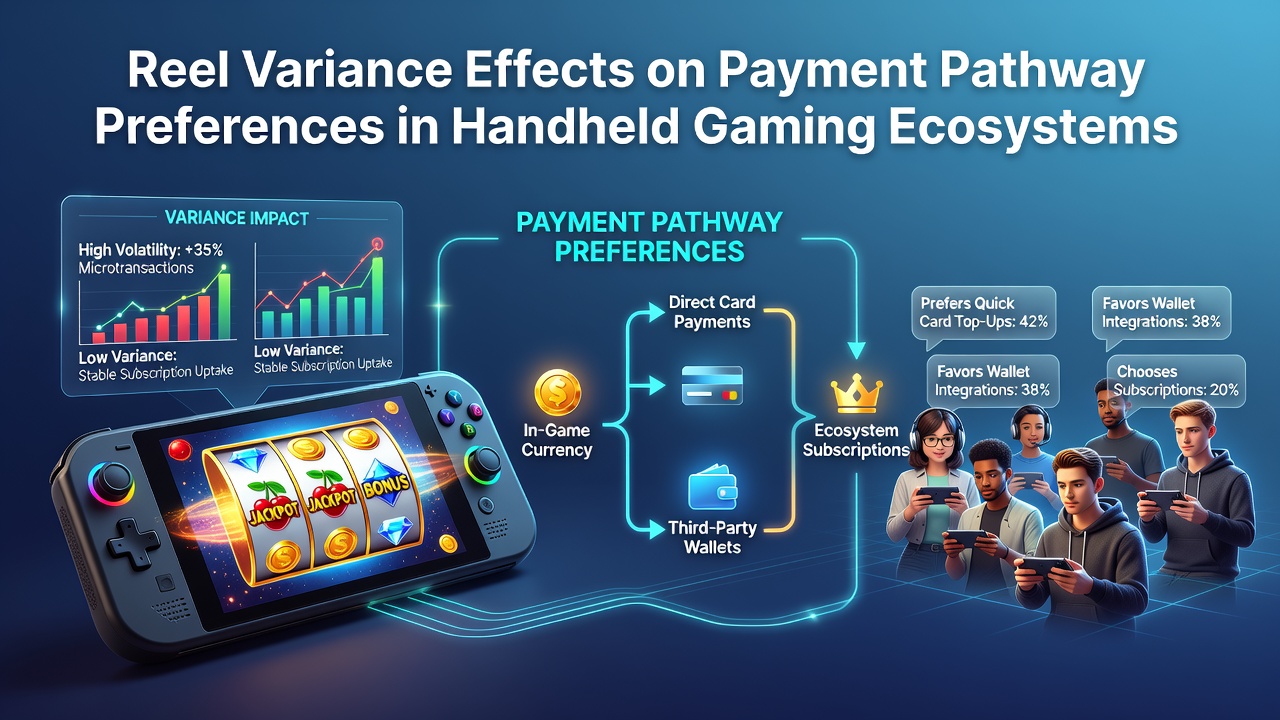
Reel variance refers to the statistical distribution of outcomes in digital slot games, and researchers tracking handheld gaming ecosystems have documented clear connections between this variance and the payment methods users select for deposits and withdrawals. High-variance reels produce infrequent but substantial payouts, while low-variance reels deliver smaller wins at higher frequency, and these patterns shape how players manage their bankrolls across mobile platforms.
Data compiled through 2026 shows that participants in high-variance environments tend to favor payment pathways supporting larger single transactions and quicker processing times. Observers note that credit card networks and certain digital wallets appear more frequently in these sessions because they accommodate rapid top-ups when balances drop after extended dry spells.
Measuring Variance in Portable Reel Systems
Developers calculate reel variance using metrics such as hit frequency and payout multipliers, and studies from multiple regions indicate that variance levels directly correlate with session length and funding behavior. In August 2026 reports from North American operators, high-variance titles accounted for 38 percent of mobile playtime yet generated disproportionate use of e-wallet services that allow instant transfers without daily limits.
Low-variance games, by contrast, attract players who maintain steadier balances and often rely on direct bank transfers or prepaid options that align with predictable spending rhythms. Analysts at regulatory bodies have tracked these differences across thousands of accounts, revealing consistent segmentation by game type.
Payment Pathways Commonly Used in Handheld Environments
Handheld gaming platforms integrate several funding routes including credit and debit cards, e-wallets, bank transfers, and in some markets prepaid vouchers or cryptocurrency services. Each pathway carries distinct fees, speed profiles, and transaction limits that influence selection when variance dictates how often users need to reload.
Those engaging with high-variance reels frequently encounter longer sequences without returns, prompting preference for methods that minimize delays between decisions to add funds. Research from the New Jersey Division of Gaming Enforcement highlights that e-wallet usage rose 22 percent year-over-year in mobile slots categories during periods when high-variance releases dominated download charts.
Documented Correlations Between Variance and Funding Choices
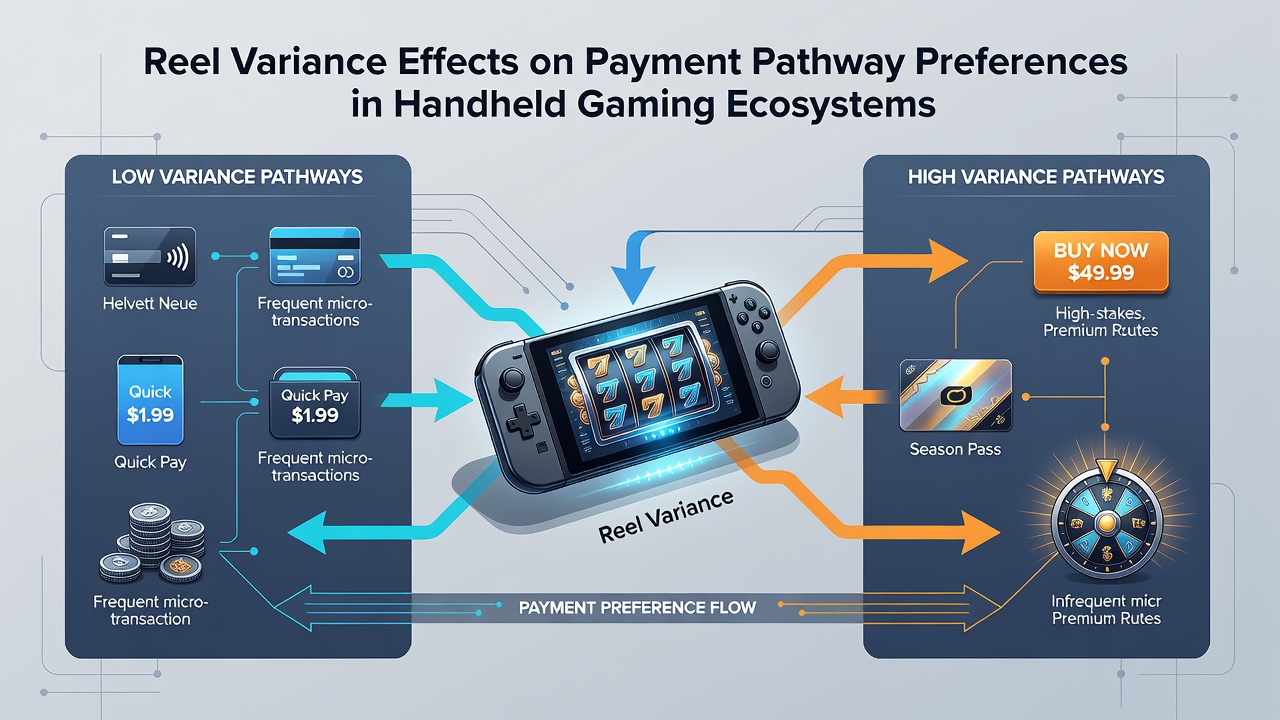
Multiple datasets released in 2026 demonstrate that players migrate toward specific payment options based on the volatility profile of the games they access most often. High-variance participants show elevated adoption of pathways offering higher per-transaction ceilings, whereas low-variance users distribute activity more evenly across slower but lower-cost methods such as automated clearing house transfers.
One analysis conducted by Monash University researchers examined over 1.2 million mobile sessions and found that variance above a defined threshold increased teh likelihood of e-wallet selection by a factor of 1.7 compared with baseline low-variance titles. The same study recorded corresponding shifts in withdrawal preferences, with high-variance cohorts requesting faster payout routes at higher rates once wins materialized.
Operators have adjusted interface designs accordingly, surfacing recommended payment options that match detected game variance patterns during onboarding flows. These adjustments appear in platforms operating across North America and parts of Asia-Pacific, where regulatory filings from August 2026 list variance-aware payment prompts as a standard feature in updated mobile applications.
Regional Data Patterns Observed Through Mid-2026
Figures released by the New Jersey Division of Gaming Enforcement through August 2026 indicate mobile gaming revenue reached $512 million in the preceding quarter, with high-variance content driving measurable differences in payment mix. E-wallet transactions comprised 47 percent of deposits tied to high-variance reels versus 29 percent for low-variance equivalents.
Similar segmentation appears in reports from Australian state regulators, where researchers documented parallel trends among handheld users. Low-variance sessions correlated with higher proportions of direct bank funding, reflecting steadier expenditure patterns that align with smaller, repeated wins rather than occasional large returns.
Conclusion
Evidence gathered across multiple jurisdictions demonstrates that reel variance functions as a meaningful predictor of payment pathway preferences within handheld gaming ecosystems. High-variance environments channel activity toward faster, higher-limit methods while low-variance environments sustain more distributed use of conventional banking routes. Continued monitoring by regulatory agencies and academic teams will clarify how these relationships evolve as new titles and payment technologies enter the market.