Revealing How Game Theme Preferences Drive Shifts in Reward Eligibility Across Portable Wagering Networks
Rosa Schmitz · Aug 1, 2026
Revealing How Game Theme Preferences Drive Shifts in Reward Eligibility Across Portable Wagering Networks
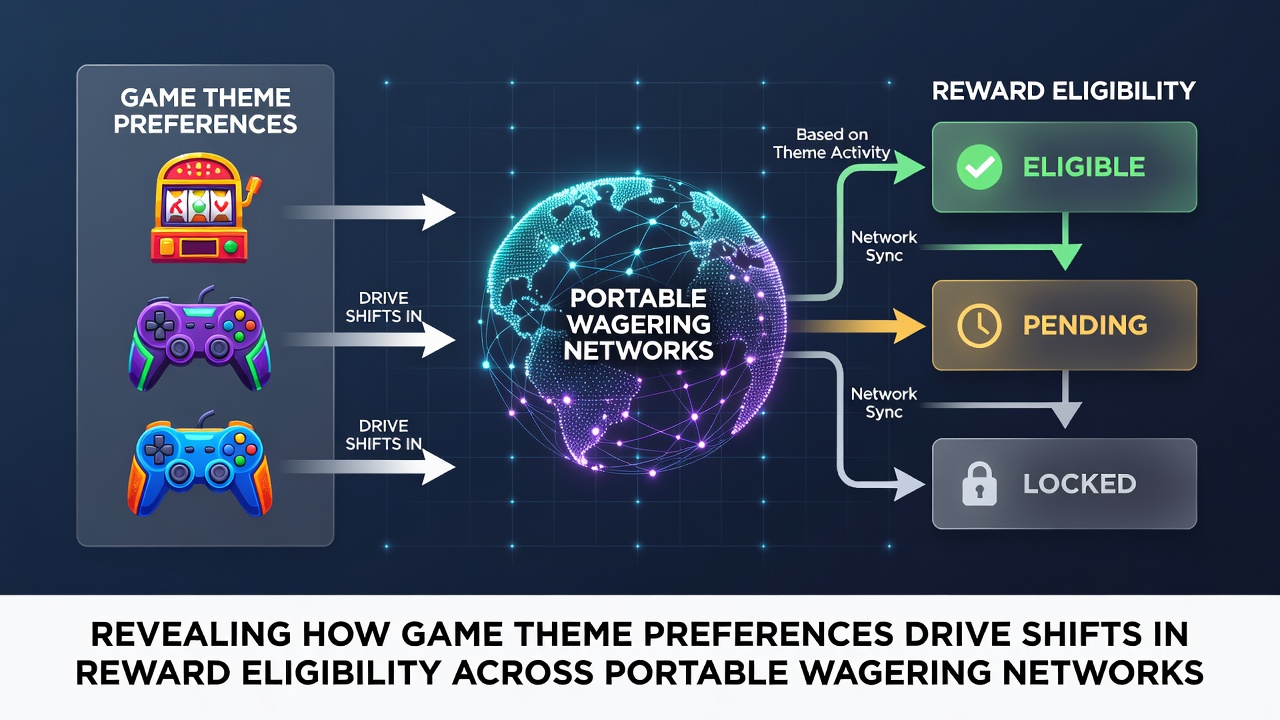
Game theme selections on portable wagering networks have begun to correlate with noticeable adjustments in reward eligibility thresholds, according to aggregated user data compiled across multiple platforms in mid-2026. Networks track preferences for themes such as ancient mythology, wildlife adventures, or sports simulations, then recalibrate bonus structures based on engagement duration and spending velocity within those categories. This linkage emerges from backend analytics that monitor session lengths, deposit frequencies, and feature interactions, allowing operators to refine access criteria for tiered promotions without altering core game mechanics.
Theme-Driven Data Patterns in Mobile Environments
Research from the Australian Gambling Research Centre indicates that users gravitating toward fantasy-themed slots complete more progressive challenges, which in turn unlocks higher eligibility brackets for loyalty multipliers by August 2026. Those metrics stand in contrast to preferences for minimalist fruit machine designs, where shorter average play sessions lead networks to apply stricter qualification windows for the same reward tiers. Operators integrate these insights through machine learning models that process anonymized behavioral logs from iOS and Android applications, producing eligibility shifts that reflect real-time theme popularity rather than static user profiles.
One study released by the Singapore Casino Regulatory Authority in the summer of 2026 examined cross-device activity logs and found that sports-themed card games prompted faster progression through reward ladders compared with historical event simulations. The difference appears tied to higher interaction rates with live betting overlays embedded in those themes, prompting networks to lower minimum wager requirements for participants who consistently select those options. Eligibility adjustments occur automatically once cumulative play data crosses predefined thresholds, creating a feedback loop between theme choice and promotional access.
Eligibility Mechanisms Across Portable Platforms
Portable networks employ segmented algorithms that assign points based on theme category before determining reward eligibility, a process that has grown more granular since early 2025. Users who favor underwater exploration motifs, for instance, often accumulate bonus credits at accelerated rates because those themes incorporate frequent mini-game triggers that boost session metrics. In contrast, selections centered on classic table games without thematic overlays tend to register slower point accrual, resulting in delayed access to the same VIP ladders.
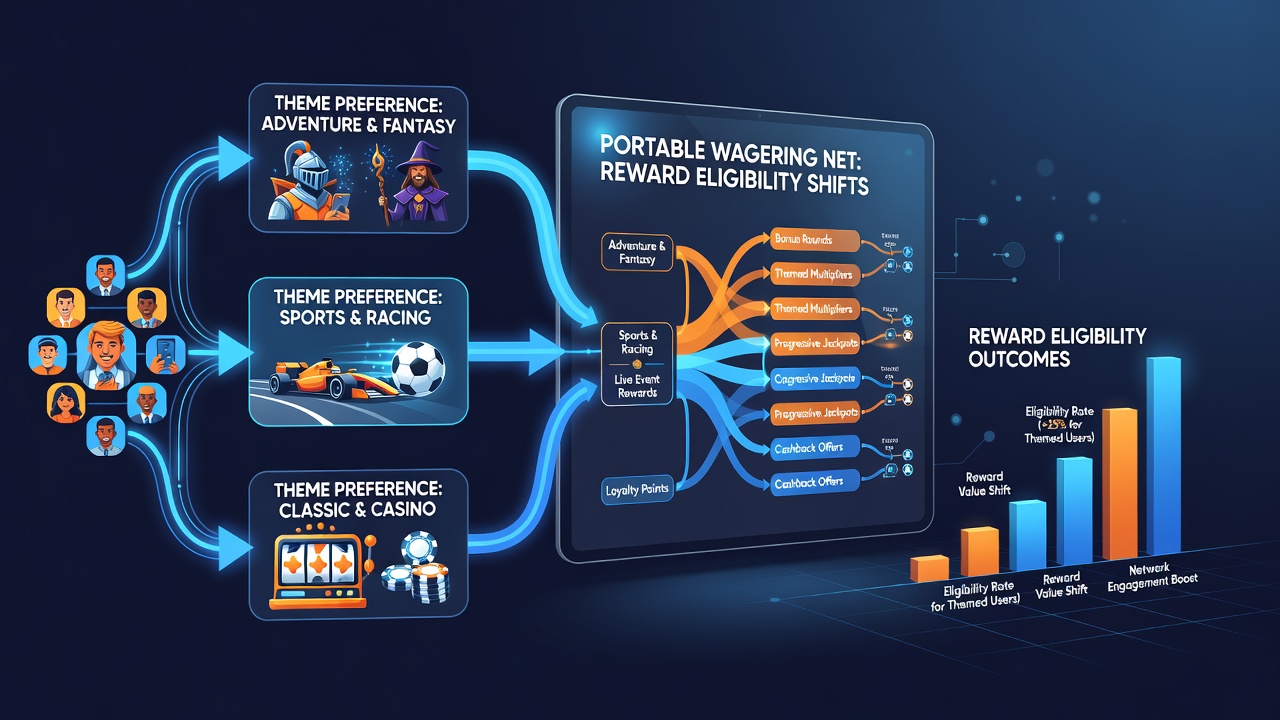
Analysts at the New Jersey Division of Gaming Enforcement documented similar patterns in their quarterly mobile activity summaries, noting that theme preference directly influences teh speed at which users satisfy deposit-linked eligibility criteria. Networks apply these correlations uniformly across geographic regions yet calibrate thresholds according to local regulatory guidelines, ensuring compliance while responding to aggregate preference shifts. The result manifests as dynamic reward structures that evolve monthly, with eligibility windows expanding or contracting depending on which themes dominate active user bases.
Regional Variations and Network Adaptations
European operators have incorporated theme-based eligibility modifiers into their portable applications following guidance from the Malta Gaming Authority, which highlighted correlations between narrative-driven slots and sustained engagement in 2026 reports. North American platforms, drawing from data shared by the Canadian Centre on Substance Use and Addiction, apply parallel adjustments but emphasize sports-adjacent themes due to higher regional engagement volumes. These adaptations occur through API integrations that update eligibility parameters server-side, minimizing user disruption while aligning rewards with demonstrated preference trends.
Observers note that networks also monitor seasonal theme popularity spikes, such as those coinciding with major sporting events, and temporarily recalibrate reward access to reflect heightened activity in those categories. This practice maintains consistency across devices, allowing users to transition between phones and tablets without losing accumulated eligibility progress tied to their chosen themes.
Conclusion
Theme preferences continue to shape reward eligibility pathways on portable wagering networks through data-informed adjustments that respond to engagement patterns observed in August 2026 and beyond. Networks refine these systems by analyzing category-specific metrics, producing eligibility criteria that shift in tandem with user selections rather than remaining fixed. As platforms collect additional longitudinal data, the precision of these connections is expected to increase, with eligibility determinations reflecting ever more detailed breakdowns of theme interactions across global user bases.