Loyalty Labyrinths: Decoding the Tiered Rewards of Casino High-Roller Programs
Xander Patterson · Apr 15, 2026
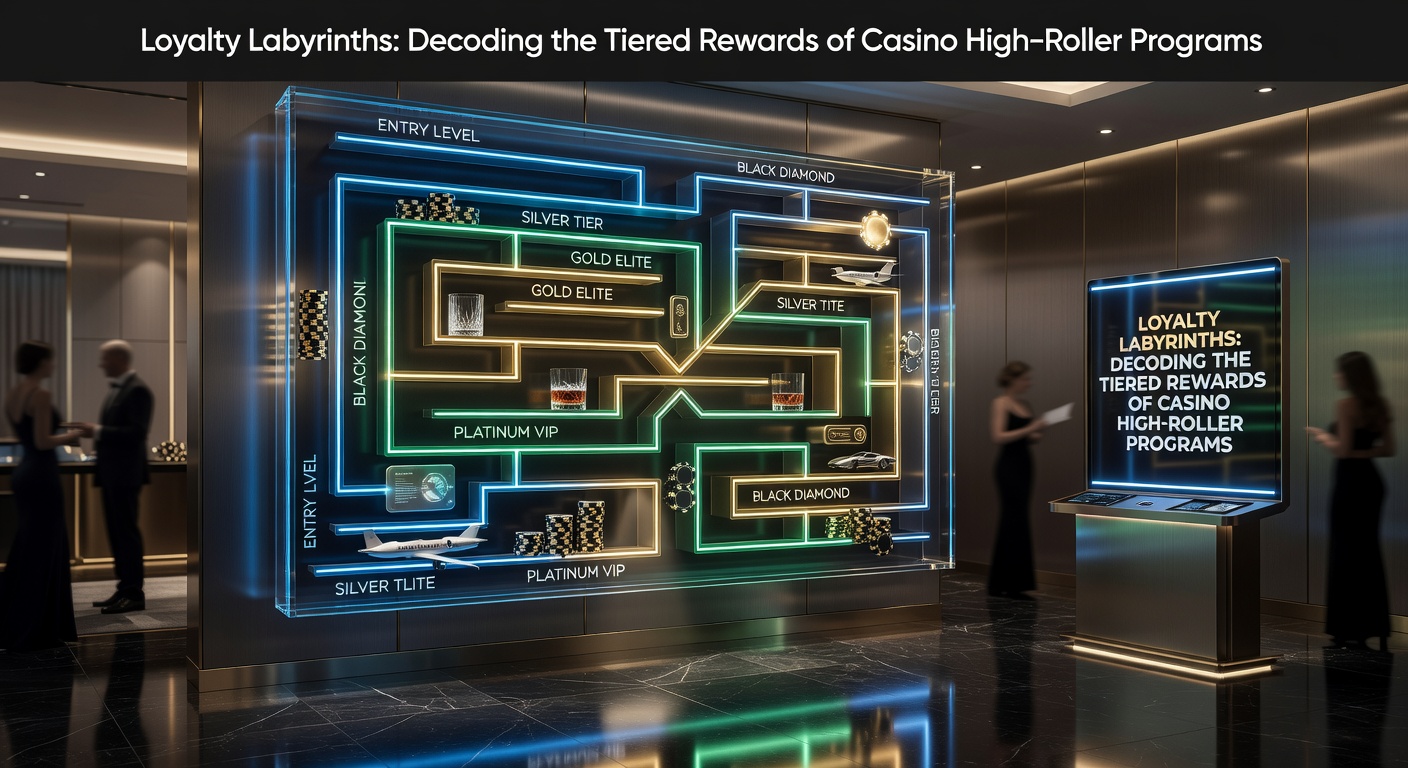
Loyalty Labyrinths: Decoding the Tiered Rewards of Casino High-Roller Programs
Unraveling the Tiered Loyalty Maze
Casinos worldwide craft intricate loyalty programs designed to hook high-rollers, those big-spending players who drop thousands in a single session; these setups, often called tiered rewards systems, layer benefits like a labyrinth where each level unlocks deeper perks, and players navigate by wagering more to ascend. Data from the American Gaming Association shows that in 2025 alone, U.S. commercial casinos raked in over $70 billion, with loyalty programs driving a significant chunk of repeat high-stakes action since high-rollers, who represent just 5-10% of players, generate up to 50% of revenue according to industry trackers. But here's the thing: these programs aren't simple point accumulators; they form complex hierarchies, typically spanning four to seven tiers, where entry-level folks scrape by on basic comps while the elite bask in bespoke luxuries.
Observers note how programs like MGM Rewards or Caesars Rewards exemplify this, starting players at "Sapphire" or "Gold" with modest rebates, then escalating through platinum, diamond, and beyond into invite-only realms for whales—those betting $10,000 per hand or more. What's interesting is that ascent demands not just volume but consistency; a player might grind $500,000 in annual play to hit mid-tiers, yet algorithms track patterns like session length and game choice, sometimes fast-tracking VIPs who favor baccarat over slots. And while land-based casinos pioneered this, online platforms now mirror the model, blending digital points with real-world redemptions.
Mapping the Climb: Tier Requirements and Milestones
Entry tiers demand little—often $5,000 in theoretical loss or 100 hours of play—but mid-levels spike dramatically, requiring $100,000 to $500,000 in tracked action over six to twelve months, since casinos calculate "theo," or expected house edge loss, to gauge true value rather than gross bets. Experts who've dissected these systems, such as those at the Nevada Gaming Control Board, reveal that high-rollers chasing "Seven Stars" at Caesars or "Chairman" at Wynn must hit $1 million-plus in annual theo, a threshold that weeds out casuals and crowns the committed few. Turns out, milestones include not just spend but behavioral metrics; loyalty apps now ping personalized challenges, like "Bet $50,000 on blackjack this month for a tier bump," keeping players engaged in the labyrinth's twists.
So players log in, swipe cards or scan apps at tables and machines, accruing points at rates tied to game odds—slots might yield 1 point per $4 bet, while baccarat gives 1 per $10 since house edges vary—and when totals hit benchmarks, promotions notify of upgrades, often with celebratory flair like on-property escorts to VIP desks. Yet plateaus exist; data indicates 80% of players stall at bronze or silver, per a 2024 UNLV Center for Gaming Research report, because the exponential wager ramps deter all but the deep-pocketed.
Perks Unlocked: Rewards Across the Tiers
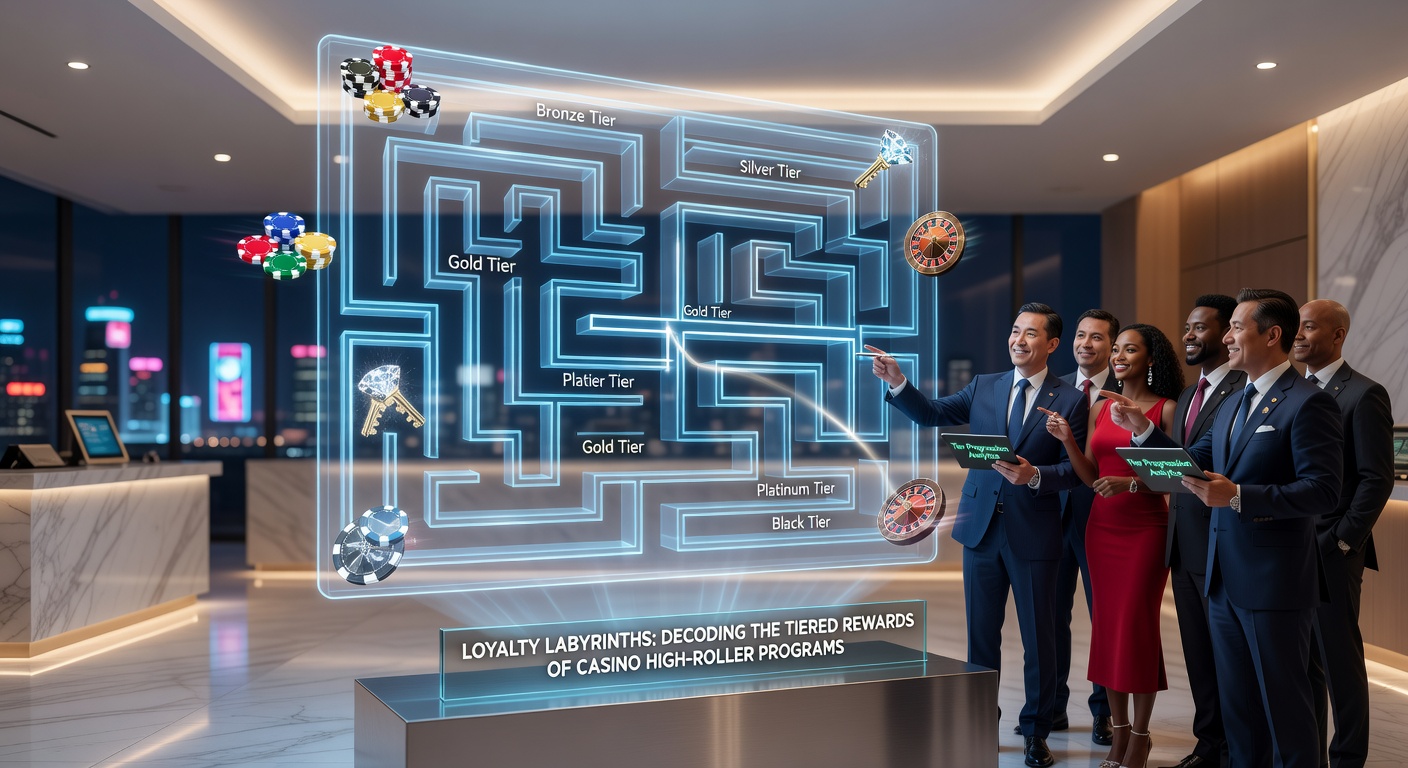
Basic tiers offer straightforward comps—free play credits, dining discounts, priority parking—but as climbers reach platinum equivalents, rewards multiply into lifestyle boosters: complimentary suites, private jet reimbursements, even event tickets to concerts or sports; for instance, MGM's Noir tier grants 24/7 concierge for yacht charters, while Wynn's Red Card holders snag front-row Vegas shows without lines. High-rollers at the pinnacle, those in "Legend" or "Infinity" clubs, access hyper-exclusive zones; figures from Ontario's gaming regulators show such elites receive annual rebates hitting 1.5% of theo, translating to $15,000-$100,000 cashback for million-dollar players, plus gifts like custom jewelry or Rolexes during holidays.
But here's where it gets interesting: rebates scale nonlinearly, often 0.1% at base to 1-2% at top, compounded by non-monetary perks like waived resort fees (saving $50/night) or family trip comps; one case saw a high-roller family jet to Hawaii fully covered after $2 million in Macau play, as tracked by Asian gaming analysts. And online hybrids sweeten it further—platforms like BetMGM offer tier-matched points redeemable for crypto withdrawals or NFT drops, blending old-school glam with digital flair.
Beyond Points: The Intangible High-Roller Allure
Researchers who've studied player retention find that status symbols drive loyalty more than cash; dedicated host desks assign personal reps who curate experiences, from courtside NBA seats to Michelin-star chef pop-ups in suites, fostering a sense of belonging in elite circles where whales mingle at private salons. Data from Australian gaming bodies indicates these intangibles boost lifetime value by 30-50%, since high-rollers, feeling like insiders, wager 20% more post-upgrade; take the story of a Texas oil exec who, after hitting diamond at Bellagio, received a custom poker room reservation with pros, cementing his $5 million annual spend.
Yet the labyrinth has shadows—overextension risks lurk, although programs tout responsible gaming tools like spend caps; in April 2026, as Vegas gears up for its post-pandemic boom, new apps from operators like Resorts World integrate AI-driven "wellness checks," pausing perks if play skews erratic, per emerging Nevada guidelines. That's the rubber meeting the road: rewards entice, but safeguards evolve to balance the thrill.
Trends and Stats Shaping the Future Landscape
Figures reveal explosive growth; global high-roller programs swelled 25% in participation from 2023-2025, fueled by Asia-Pacific whales flocking to Singapore and Manila hubs, where tiers like Marina Bay Sands' Paiza Club demand HK$1.5 million quarterly spend for platinum access, unlocking chauffeured Rolls-Royces and private vaults. Online shifts accelerate this—hybrid programs now sync land and digital play, letting a player rack Sydney slots points toward Vegas comps—while blockchain pilots test tamper-proof point ledgers, promising transparency amid regulatory scrutiny.
Now, with April 2026 marking a pivot, Canada's Alcohol and Gaming Commission reports Ontario iGaming loyalty tiers adapting to crypto bets, offering tier jumps for stablecoin high-stakes; experts observe this convergence, where VR lounges preview elite perks virtually, pulling remote whales into physical play. One study from the University of Nevada highlighted how tiered systems cut churn by 40%, as players chase that next badge, turning casual bets into lifelong habits.
Navigating Regulations in the High-Stakes Game
Gaming authorities worldwide enforce transparency; Nevada mandates clear tier criteria in player agreements, while Australia's state bodies require audited rebate formulas to prevent opaque escalations. Observers note fines hit operators for misleading "guaranteed" upgrades, as seen in a 2024 Queensland case where fuzzy point math led to a $200,000 penalty; high-rollers benefit from these checks, gaining arbitration paths for disputed comps, ensuring the labyrinth's paths stay fair even as rewards dazzle.
And for cross-border players, reciprocity rules emerge—EU directives push standardized disclosures, letting Parisians track Monaco tiers seamlessly—although challenges persist with varying theo calculations across jurisdictions.
Conclusion
Tiered loyalty programs stand as casinos' masterstroke for high-rollers, weaving a web of escalating rewards that reward volume, loyalty, and savvy navigation; from basic rebates to jet-set extravagance, these systems propel billions in play, backed by data showing outsized returns on elite retention. As April 2026 unfolds with tech infusions and tighter regs, players who decode the tiers hold the keys, turning wagers into worlds of privilege—yet always with the house edge lurking in the shadows. Those who've mastered the climb know: the real win lies in playing smart within the maze.